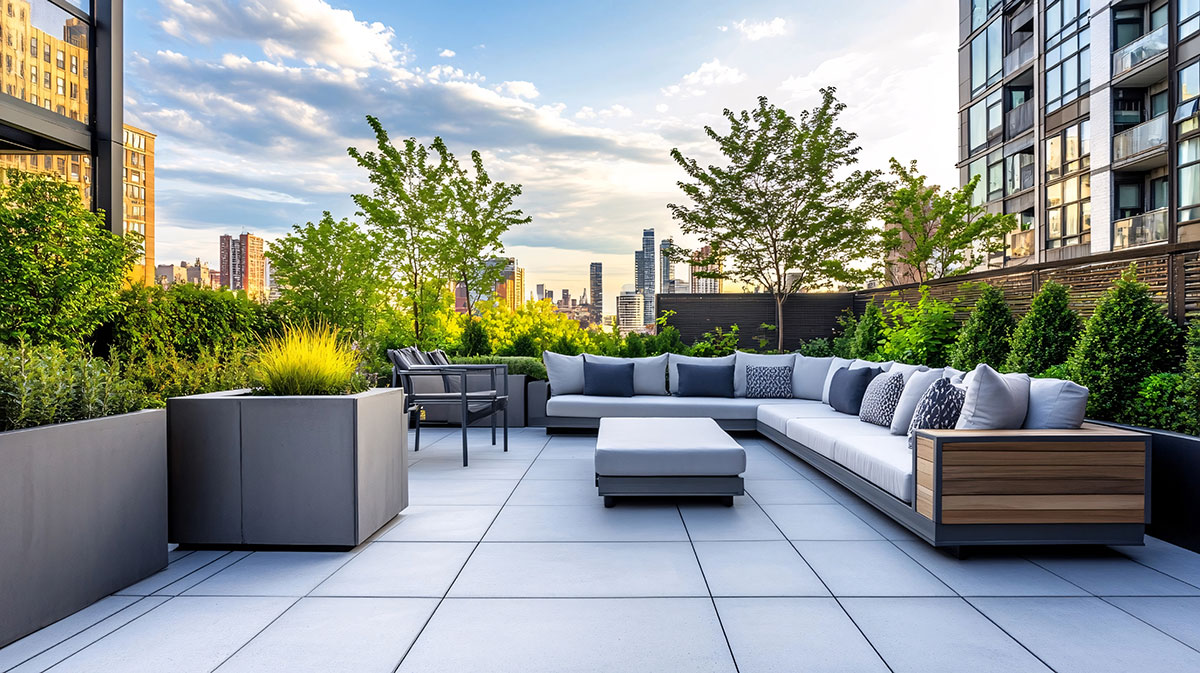
Designing a luxury rooftop terrace in a small urban space is one of my favorite challenges. In cities like Montreal, outdoor space is limited, but the desire for comfort and style is strong. A small rooftop does not mean you have to compromise on elegance. With the right planning, materials, and layout, even a compact terrace can feel refined, welcoming, and functional.
As the founder of Saltarelli Outdoor Design, I have transformed many underused rooftops into beautiful extensions of the home. The key is thoughtful design. Luxury is not about size. It is about detail, quality, and intention.
Start With a Clear Purpose
Before selecting furniture or plants, define how you want to use the space. Is it for entertaining guests, enjoying quiet evenings, or dining outdoors? A clear purpose guides every design choice.
I always ask my clients one simple question. How do you imagine using this space on a typical day?
“One client told me she wanted to sip coffee in the morning and host intimate dinners at night,” I remember. “That vision helped us design a layout with a small dining table and a cozy lounge corner without overcrowding the terrace.”
When space is limited, every element must serve a purpose.
Focus on Layout and Flow
A luxury rooftop terrace feels open and balanced, even when it is small. Good layout is essential. I start by mapping the dimensions and identifying entry points, sun exposure, and wind direction.
Define Zones
Even in tight spaces, creating distinct zones makes the terrace feel organized. A lounge area, a dining corner, or a planting section can coexist when arranged carefully. Use rugs, planters, or subtle changes in flooring to visually separate these areas without adding barriers.
Leave enough room for comfortable movement. Crowding the terrace with too many pieces reduces both function and elegance.
Choose High-Quality Materials
Luxury is often defined by material choice. Invest in durable, weather-resistant materials that look refined and age well. Composite decking, natural stone, and treated wood are excellent options for flooring.
Furniture should be comfortable and built to withstand urban conditions. Upholstery must be outdoor-rated. Metal frames should resist rust.
“I once replaced bulky furniture on a small rooftop with sleek, modular seating,” I tell clients. “The space immediately felt larger and more sophisticated.”
Quality materials elevate the entire design.
Incorporate Layered Lighting
Lighting transforms a rooftop terrace from simple to stunning. It allows the space to shine in the evening and creates ambiance without overwhelming the design.
Use Multiple Light Sources
Layered lighting works best. Soft LED strips under seating, solar lights along railings, and subtle spotlights on plants add depth and warmth. Avoid harsh overhead fixtures. They flatten the space and reduce intimacy.
A well-lit terrace feels inviting and polished. It encourages longer evenings outdoors.
Add Greenery With Purpose
Plants are essential in creating a luxurious rooftop atmosphere. They soften hard surfaces and provide privacy. In small spaces, vertical planting is particularly effective.
Tall planters with evergreens or ornamental grasses create natural screens. Wall-mounted planters or trellises add greenery without taking up valuable floor space.
“I designed a rooftop where we used slim planters along the perimeter,” I recall. “They framed the terrace and created privacy without sacrificing seating space.”
Choose plants suited to your climate and exposure. In Montreal, hardy species are crucial for long-term success.
Embrace Custom Features
Custom elements elevate a small rooftop terrace. Built-in benches, integrated planters, or handcrafted railings create a tailored look. These features maximize space and add personality.
A built-in bench with hidden storage keeps the terrace organized. A custom pergola adds structure and shade. Thoughtful craftsmanship sets a luxury space apart from a standard rooftop.
Details matter. Even small touches like textured cushions, sculptural planters, or a compact water feature add depth and interest.
Keep the Palette Cohesive
A cohesive color palette makes a small terrace feel larger and more refined. Neutral tones such as beige, charcoal, and soft wood shades create a calm foundation. Accent colors can be introduced through cushions, flowers, or decorative objects.
Avoid too many competing colors. Simplicity often feels more luxurious.
Balance Texture and Comfort
Combine smooth surfaces with soft textiles. Pair sleek metal with warm wood. Add outdoor rugs and plush cushions to make the space feel inviting. Comfort is an essential part of luxury.
A rooftop terrace should feel like an outdoor living room, not just a decorated platform.
Plan for All Seasons
In Montreal, a rooftop terrace must survive changing weather. Choose materials and plants that can withstand cold winters and warm summers. Evergreens maintain structure during snowy months. Durable furniture ensures longevity.
Proper drainage and wind protection are also important. These practical considerations protect your investment and preserve the design’s integrity.
Final Thoughts
Designing a luxury rooftop terrace in a small urban space is about intention. Define the purpose, plan the layout carefully, and choose high-quality materials. Add layered lighting, purposeful greenery, and custom features. Keep the palette cohesive and the design uncluttered.
Luxury does not depend on square footage. It comes from thoughtful decisions and attention to detail. When designed well, a small rooftop terrace becomes a private retreat above the city. It offers comfort, style, and a meaningful connection to the outdoors.
Every project reminds me that small spaces hold incredible potential. With creativity and precision, even the most compact rooftop can feel expansive, elegant, and truly luxurious.