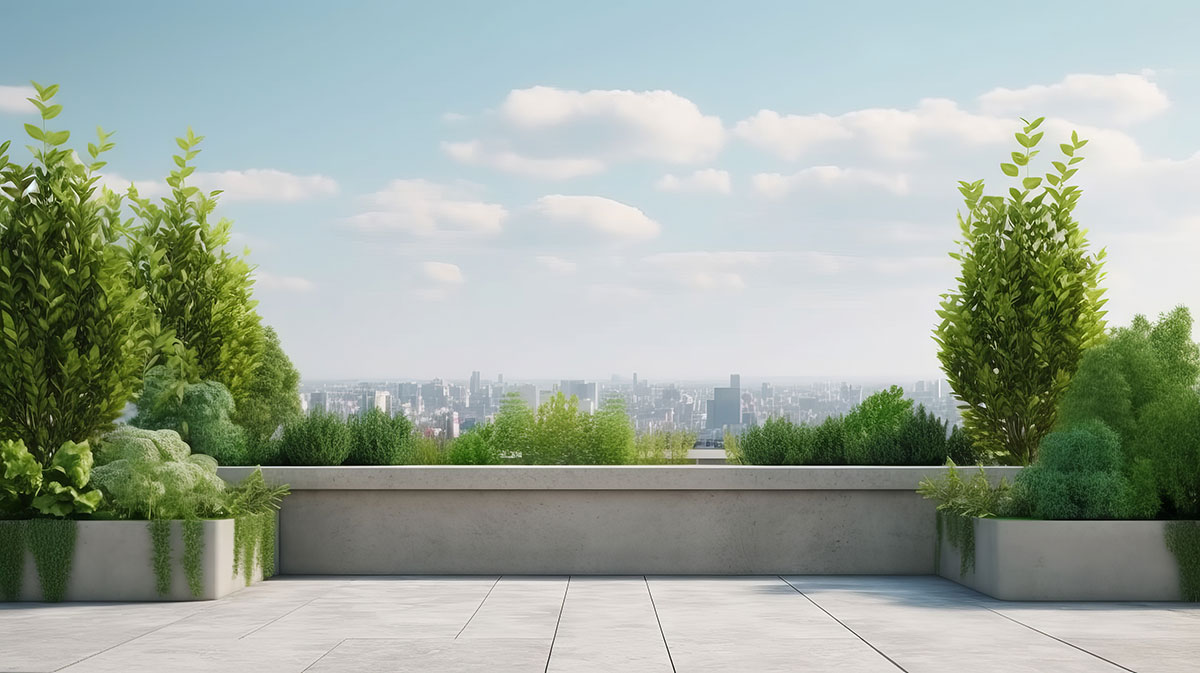
Rooftop gardens are becoming increasingly popular in Montreal. They turn underutilized roofs into relaxing retreats, dining areas, or urban green spaces. Designing a rooftop garden in this city requires careful planning. Montreal’s harsh winters, heavy snow, and seasonal temperature swings create unique challenges for gardeners and designers alike.
I am Francesco Saltarelli, a Montreal-based landscape designer and founder of Saltarelli Outdoor Design. I specialize in creating luxurious, livable outdoor spaces, including rooftop gardens. Over the years, I have helped clients design rooftops that remain functional, stylish, and resilient throughout the year.
Start With Structural Planning
Before adding plants or furniture, consider the roof’s structure. Not every roof can support heavy planters, water features, or built-in seating. Consult a structural engineer to ensure your rooftop can safely handle the added weight of soil, decking, and snow.
“Many people overlook the engineering side of rooftop gardens,” I explain. “If your structure cannot handle the load, even the most beautiful design will face problems. Safety always comes first.”
Once weight limits are known, you can plan plant selection, furniture, and features accordingly. Lighter soils, modular planters, and movable furniture are practical choices that reduce stress on the roof.
Choose the Right Plants
Montreal winters are long and harsh, so plant selection is critical. Native and cold-hardy species are best. Evergreen shrubs, conifers, and ornamental grasses retain color and structure through the winter months.
Perennials like sedum, lavender, and hostas can survive cold temperatures and return in the spring. Container plants should be chosen for their durability and ability to tolerate frost. Using modular planters allows you to move or protect plants during extreme weather.
“I always tell clients that choosing the right plants is the key to year-round beauty,” I say. “A rooftop garden is not just for summer. It should look interesting and healthy even in January.”
Use Durable Materials
Materials must withstand temperature fluctuations, ice, and snow. Composite decking, metal planters, and treated wood are excellent choices for rooftop gardens. Avoid materials that crack, warp, or absorb water easily.
Non-slip surfaces are important, especially in winter when snow and ice are common. Installing proper drainage prevents water from pooling, which can damage plants, decking, or the roof itself.
“Durability matters more than style in winter,” I note. “That said, there are many beautiful materials that perform well in extreme conditions.”
Layer for Function and Beauty
Layering plants and features adds depth and interest. Use a combination of low-growing ground cover, medium shrubs, and taller plants to create a dynamic space. Group plants in clusters to improve wind protection and create visual impact.
Furniture should be arranged to maximize space while allowing easy movement. Adding windbreaks, screens, or pergolas can make the rooftop more comfortable and shield plants from harsh winds.
“I often design rooftop gardens with three layers: plants, seating, and decorative features,” I explain. “It creates a sense of luxury while also protecting the plants from winter winds.”
Plan for Winter Protection
Winter protection is essential for rooftop gardens. Lightweight covers, burlap wraps, or insulating mulch can protect sensitive plants from frost. Some clients use modular planters that can be moved indoors or to sheltered areas during extreme cold.
Water features require special care. Outdoor fountains or ponds should be drained or winterized to prevent damage from freezing temperatures.
“Winter-proofing your rooftop garden is about preparation, not avoidance,” I say. “A little effort before the cold hits saves time and plants later.”
Incorporate Sustainable Practices
Sustainable practices benefit both the environment and the garden. Collect rainwater for irrigation, use native and drought-tolerant plants, and choose recycled or low-impact materials. Proper drainage systems prevent roof damage and reduce runoff into storm drains.
“I encourage clients to think of their rooftop gardens as ecosystems,” I explain. “Native plants, sustainable materials, and thoughtful design reduce maintenance and create long-lasting beauty.”
Add Style and Comfort
Even a winter-ready rooftop can be stylish. Outdoor lighting, colorful planters, and weather-resistant furniture make the space inviting. Heated benches, fire pits, or outdoor heaters allow enjoyment even on cooler days.
Decorative accents like sculptures, trellises, or seasonal plants provide personality and luxury. Balancing practicality and aesthetics is key.
Final Thoughts
Creating a rooftop garden in Montreal requires careful planning, smart plant choices, and durable materials. Structural considerations, winter protection, and sustainable practices are all critical to success. Even small rooftops can become luxurious, functional, and visually appealing.
Rooftop gardens are more than outdoor spaces. They are urban retreats, a connection to nature, and an extension of your home. With the right approach, you can enjoy a rooftop garden year-round, from summer gatherings to snowy winter mornings.