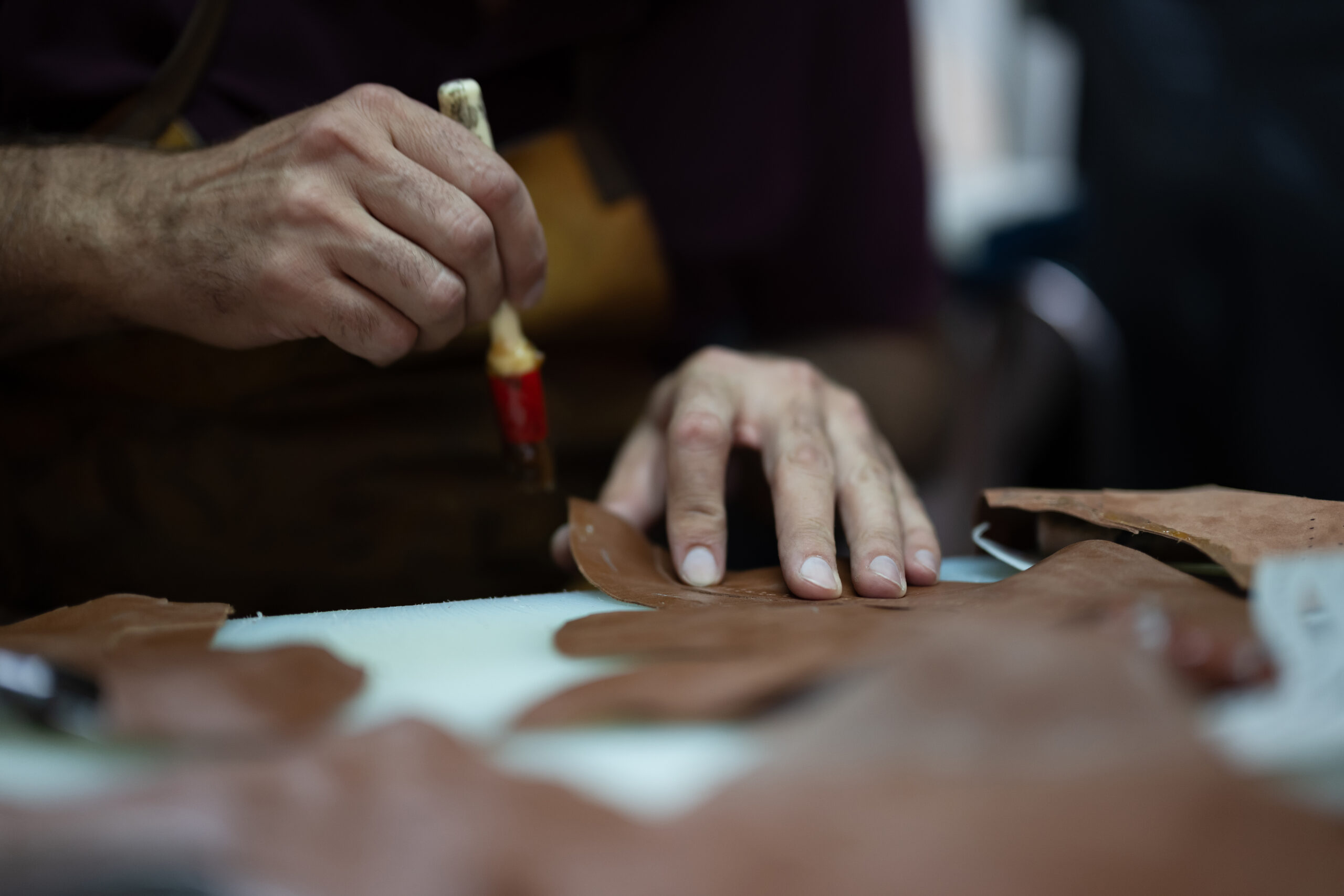
When I design outdoor spaces, I always aim for something unique. A backyard or rooftop should reflect the personality of the people who use it. One of the most effective ways to achieve this is through custom artisanal features. Working with local craftsmen allows me to incorporate one-of-a-kind elements that elevate the design and make a space feel intentional and personal.
As the founder of Saltarelli Outdoor Design in Montreal, I have collaborated with woodworkers, metalworkers, ceramicists, and other artisans to bring projects to life. These collaborations not only produce beautiful features, but they also allow me to create functional elements that fit the space perfectly. Custom craftsmanship turns a simple garden, terrace, or backyard into a memorable outdoor retreat.
Why Artisanal Features Matter
Artisanal features add character and depth to any outdoor space. Mass-produced furniture and decorations can feel generic and impersonal. Custom elements allow for creativity in both form and function. They can be designed to fit specific dimensions, suit the local climate, or complement the surrounding architecture.
“I worked on a rooftop where the client wanted a unique railing that also held planters,” I recall. “The metalworker and I experimented with different shapes and finishes until we found something functional, safe, and beautiful. The railing became a defining feature of the space.”
Custom Features Enhance Functionality
Beyond aesthetics, artisanal features often improve how a space works. Built-in benches can double as storage, pergolas can provide shade while framing views, and planters can integrate seamlessly into seating or railing designs. Thoughtful design ensures that every element serves multiple purposes, making even small spaces feel larger and more usable.
Collaborating with Local Artisans
Finding the right artisan is about shared vision. I look for craftsmen who are as passionate about quality and creativity as I am. Working together, we explore ideas, test materials, and refine designs until every detail feels right. This collaboration often sparks new solutions that neither the designer nor the artisan would have thought of alone.
One example is a Westmount backyard where we commissioned a custom wooden pergola. The woodworker suggested a pattern for the beams that not only added visual interest but also improved structural stability and sunlight filtering. The result was a pergola that felt both practical and artistic.
The Process from Concept to Creation
Every project starts with a concept. I sketch layouts and ideas for the client and identify where artisanal features can add value. We then meet with artisans to discuss materials, techniques, and timelines. Once the design is finalized, the artisans create prototypes or samples, which we adjust if needed. The final installation brings the concept to life.
“Seeing a custom piece installed for the first time is always exciting,” I say. “It transforms the space and gives the client something they could not find anywhere else.”
Materials and Sustainability
Custom artisanal features allow for the use of durable, sustainable materials. Local craftsmen often have access to reclaimed wood, recycled metal, or eco-friendly finishes. These choices not only reduce environmental impact but also create long-lasting elements that withstand Montreal’s changing seasons.
For instance, a metal planter we designed for a rooftop terrace was made from recycled steel. It was light enough to meet weight restrictions, durable enough for outdoor conditions, and designed to blend seamlessly with the seating and plant arrangements. Sustainability and design quality go hand in hand in these projects.
Adding Personality and Style
Artisanal features give outdoor spaces personality. Handcrafted planters, decorative tiles, sculptural elements, and custom lighting create focal points that express the homeowner’s style. Even small details, like unique hooks or carved benches, make the space feel curated and thoughtful.
“One garden had small ceramic sculptures integrated into the planter edges,” I recall. “They were subtle but added charm and playfulness. The client loved walking through the space and discovering the details.”
The Impact on Clients
Clients often tell me that these custom features make them feel more connected to their space. Outdoor areas are not just for entertaining or decoration—they become extensions of the home and reflections of personal taste. Handcrafted elements make the space feel intentional and cared for.
I have seen how these features also encourage more use of the outdoor space. People are drawn to comfortable, interesting, and functional areas. Rooftops, terraces, and backyards become destinations for relaxation, meals, and social gatherings. The transformation from a simple area to a fully realized retreat can be dramatic.
Final Thoughts
Custom artisanal features are more than decoration. They are a way to transform outdoor spaces into personal, functional, and memorable retreats. Collaborating with skilled local craftsmen ensures that every detail is considered and that the space is both beautiful and practical.
Whether it is a handcrafted bench, a unique railing, a custom planter, or a pergola with artistic detailing, these elements make a difference. They elevate design, support the local community, and provide clients with spaces they can enjoy for years. The process from concept to creation is rewarding, and the results are always worth the effort.
Outdoor spaces should tell a story. Custom artisanal features allow homeowners to express their style, connect with nature, and create memorable experiences. When done thoughtfully, a backyard, rooftop, or terrace becomes more than a space—it becomes a retreat, a statement, and a source of joy.