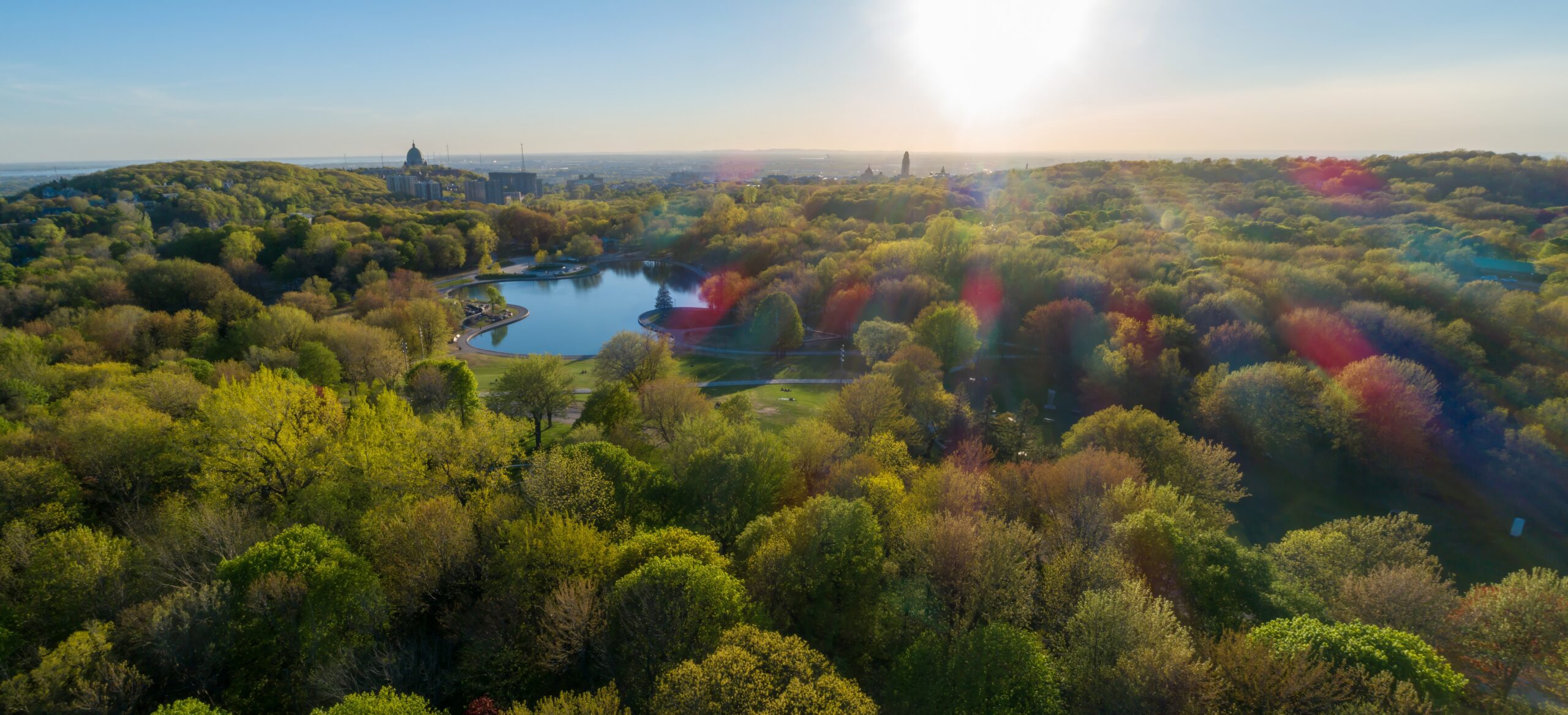
Montreal is a city full of life, but urban living often means limited access to nature. Rooftops are one of the most overlooked spaces in the city, yet they hold incredible potential. Over the years, I have worked with homeowners, building managers, and developers to transform empty rooftops into green, livable areas that enhance daily life.
As the founder of Saltarelli Outdoor Design, I specialize in creating outdoor spaces that are functional, sustainable, and beautiful. I have designed rooftop gardens and terraces throughout Montreal, and my goal is always to make these spaces feel like a natural extension of the home. The right design can turn a simple rooftop into a vibrant, eco-friendly retreat.
Understanding Montreal’s Climate
Montreal experiences hot, humid summers and cold, snowy winters. These conditions affect the types of plants that can thrive and the materials suitable for furniture, flooring, and planters. Rooftops are exposed to wind, sun, and fluctuating temperatures, so it is important to choose elements that can withstand the climate.
“I always start by observing how a rooftop is affected throughout the day and across seasons,” I explain. “The sun, wind, and snowfall all influence what will grow and how the space will feel. You cannot just pick plants or furniture without considering these factors.”
Planning for All Seasons
Rooftop design in Montreal requires careful planning for year-round use. In summer, shaded seating areas and heat-tolerant plants provide comfort. In winter, evergreens, structural planters, and durable materials maintain visual interest even under snow. Designing for all seasons ensures the space remains functional and inviting throughout the year.
Choosing the Right Plants
Plants are the heart of any green rooftop. I favor a combination of native species and drought-tolerant plants. Native plants thrive in Montreal’s climate and require less maintenance. They also attract pollinators like bees and butterflies, adding life to the rooftop.
Herbs such as rosemary, thyme, and sage work well in containers. Ornamental grasses provide texture and movement, while small trees or shrubs can offer privacy and create a sense of enclosure. Vertical planting, such as trellises or wall-mounted planters, is a great solution for limited space. One rooftop project I completed in Griffintown used vertical planters along the railing, creating a green wall without reducing usable floor space.
Sustainability Matters
Sustainability is central to my approach. Rooftop gardens can help reduce energy costs by cooling buildings in summer and insulating them in winter. Using recycled or eco-friendly materials, installing efficient irrigation systems, and selecting low-maintenance plants all contribute to long-term environmental benefits.
One technique I often use is drip irrigation combined with self-watering planters. “A rooftop in Westmount had a sunny, windy exposure. The drip system and drought-tolerant plants kept everything thriving without daily maintenance,” I recall. Sustainable practices make green spaces both practical and responsible.
Designing Functional Spaces
A rooftop is more than plants. Furniture, pathways, and lighting are essential for comfort and usability. Multi-functional furniture, such as benches with built-in storage or foldable tables, maximizes limited space. Clear walkways allow easy movement and prevent overcrowding.
Lighting transforms the rooftop after dark. Solar-powered LEDs, string lights, and spotlights for plants create ambiance without high energy costs. One rooftop I designed became the most used space in the building after adding subtle lighting, comfortable seating, and soft rugs. Even a small space can feel inviting with thoughtful design.
Adding Personal Touches
Personal touches make rooftop spaces feel unique. Custom planters, handmade furniture, and decorative objects reflect the personality of the residents. Collaborating with local artisans adds craftsmanship and originality that cannot be replicated with mass-produced items. A small water feature or a sculpture can become a focal point and add sensory appeal.
“Rooftops should feel intentional and lived-in,” I always tell clients. “Even small details, like a hand-crafted planter or textured cushion, elevate the entire space.”
Benefits Beyond Aesthetics
Rooftop gardens and green spaces do more than look good. They improve mental health, reduce stress, and provide private outdoor areas for city dwellers. Studies show that access to greenery increases focus and encourages physical activity. Rooftop gardens also support biodiversity, help manage stormwater, and reduce heat in urban environments.
Designing rooftops with these benefits in mind creates spaces that are practical, enjoyable, and environmentally conscious. Even small roofs can have a big impact on residents’ quality of life and the surrounding community.
Final Thoughts
Montreal’s rooftops have untapped potential. By understanding the climate, choosing the right plants, and designing functional, sustainable spaces, these urban areas can become green retreats. Working closely with artisans, considering year-round conditions, and incorporating personal touches elevate the experience even further.
Every rooftop project I take on is an opportunity to connect people with nature, improve wellbeing, and make a positive environmental impact. Even in a dense city, a rooftop can transform daily life, offering beauty, comfort, and a sense of escape. With thoughtful planning, any rooftop can become a green space that truly makes a difference.