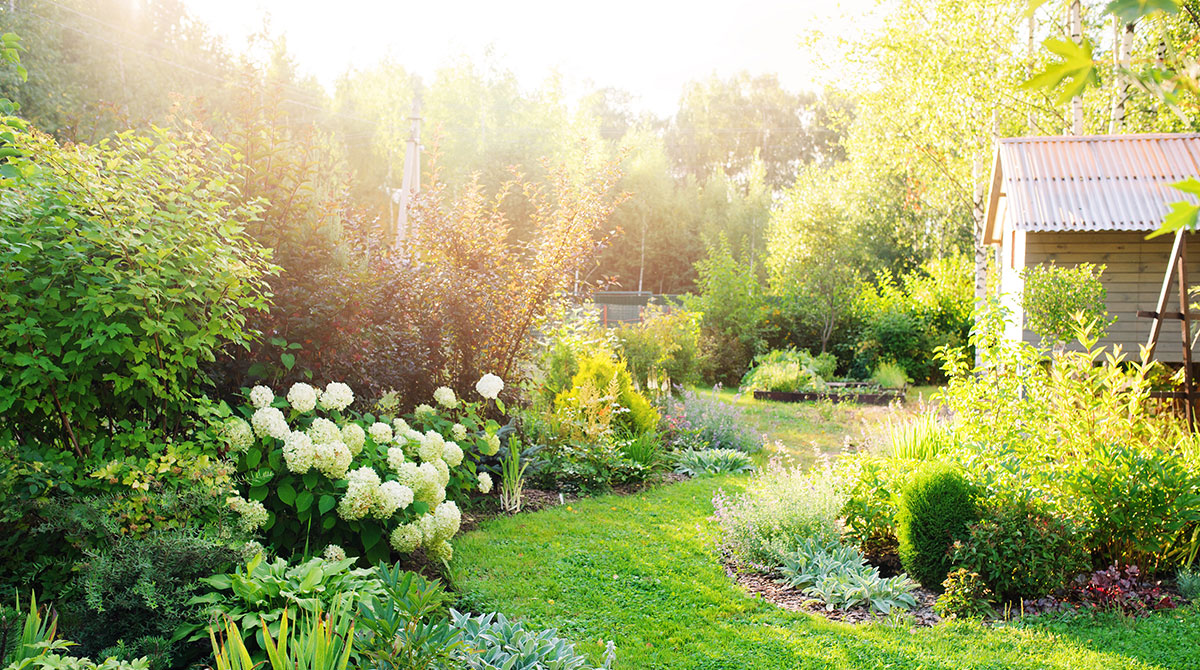
Small backyards are common in Montreal. Many homes in the city have limited outdoor space, especially in older neighborhoods. But a small yard does not mean you have to compromise on comfort, beauty, or functionality. With the right design approach, even a compact backyard can feel open, stylish, and highly usable.
I am Frank Saltarelli, a Montreal-based landscape designer and founder of Saltarelli Outdoor Design. I specialize in creating outdoor spaces that make the most of limited urban footprints. Over the years, I have learned that small backyards often offer the most creative opportunities. They force you to be intentional with every decision.
Start With Purpose and Simplicity
The first step in designing a small backyard is clarity. You need to understand how the space will be used. Will it be for dining, relaxing, gardening, or entertaining? Most people want a mix, but priorities matter.
“I always start by asking clients how they want to live outside, not just how they want it to look,” I explain. “That answer shapes everything else.”
Once the purpose is clear, simplicity becomes important. Small spaces can feel cluttered quickly. The goal is to remove unnecessary elements and focus on what truly matters.
Create Zones to Organize the Space
Even in a small backyard, zoning is essential. Dividing the space into clear areas makes it feel larger and more functional.
Dining Zone
A compact dining area can fit even in tight spaces. A small table or built-in bench along a wall creates a practical eating area without overwhelming the yard.
Lounge Zone
A simple seating area with two chairs or a small outdoor sofa creates a place to relax. Keeping furniture low-profile helps maintain openness.
Green Zone
A dedicated planting area brings life and softness to the space. Even a narrow strip along a fence can become a lush garden.
“I often treat small backyards like outdoor rooms,” I say. “Each zone has a purpose, but they all connect visually.”
Use Vertical Space to Your Advantage
When ground space is limited, vertical design becomes powerful. Walls, fences, and structures can all be used to add greenery and style.
Vertical Gardens and Planters
Wall-mounted planters or modular green walls allow you to grow plants without taking up floor space. Climbing plants like clematis or ivy can turn a plain fence into a living feature.
Tall Planting for Privacy
Tall, narrow planters with grasses or shrubs create privacy without closing off the yard. This is especially important in dense Montreal neighborhoods where homes are close together.
Vertical design adds layers, which makes a small yard feel more dynamic and less flat.
Choose Multi-Functional Elements
In small backyard design, every element should serve more than one purpose when possible.
Built-in benches with storage underneath help reduce clutter. A raised planter can double as a seating edge. A retaining wall can also function as informal seating for guests.
“I always look for opportunities where one feature can solve two problems,” I explain. “That is how you get efficiency without sacrificing design quality.”
Focus on Clean, Simple Materials
Material selection has a big impact on how spacious a backyard feels. Too many textures or colors can make a small yard feel chaotic.
Natural stone, wood, and composite decking are strong choices because they are clean, durable, and visually calm. Keeping a consistent palette helps unify the space.
Lighter colors can also make a yard feel larger by reflecting more light.
Add Greenery Without Overcrowding
Plants are essential in any backyard, but in small spaces, selection matters. You want impact without overcrowding.
Native plants and low-maintenance perennials work best in Montreal’s climate. They provide seasonal interest without requiring constant care.
“I prefer grouping plants in clusters instead of spreading them everywhere,” I say. “It creates stronger visual impact and keeps the design organized.”
Ornamental grasses, small shrubs, and flowering perennials bring texture and movement without overwhelming the space.
Use Lighting to Expand the Space
Lighting plays a major role in how a backyard feels at night. In small spaces, it can make the area feel larger and more inviting.
Soft lighting along pathways, under benches, or within planters creates depth. String lights or wall-mounted fixtures add warmth without cluttering the design.
Good lighting also extends the usability of the backyard into the evening, which effectively increases the amount of time you can enjoy the space.
Keep Sightlines Open
One of the most important principles in small backyard design is maintaining open sightlines. Avoid placing tall or bulky objects in the center of the yard.
Instead, push larger elements to the edges. This keeps the middle of the space open and makes the yard feel more spacious.
Low furniture, horizontal lines, and clear pathways all contribute to a sense of openness.
Add Subtle Design Features for Personality
Even small backyards benefit from unique touches. Custom planters, textured walls, or simple water features can elevate the design without taking up much space.
“I like adding one or two focal points in a small yard,” I explain. “It gives the space character without overwhelming it.”
These features should feel intentional and balanced, not decorative clutter.
Final Thoughts
Small backyards in Montreal have incredible potential. With thoughtful planning, they can become comfortable, stylish, and highly functional outdoor spaces. The key is to focus on purpose, simplicity, and smart use of space.
By creating zones, using vertical design, choosing multi-functional features, and keeping materials consistent, even the smallest yard can feel open and inviting.
“I believe small spaces challenge you to be more creative,” I say. “When done right, they often become the most personal and enjoyable outdoor areas a home can have.”
A small backyard is not a limitation. It is an opportunity to design something efficient, beautiful, and perfectly suited to urban living.